Insight story
The health and long-term impact of child homelessness
Temporary accommodation is often referred to as a ‘hidden’ form of homelessness. I agree with this statement in many ways, mostly because I first stumbled across it myself without knowing.
Around 7 years ago at one of the Hope Citadel GP practices I run in Oldham, Greater Manchester, I was looking at a list of 17 local children who had missed their immunisations. There was something odd about this list, as it highlighted that all of these children were living at the same address. Once I had looked into this more closely, I realised that this address was registered as temporary accommodation.
As a Doctor, I didn’t know much about housing or temporary accommodation. But from a clinical point of view, I understood quite quickly that these were a group of children who were lost in a system that didn’t work for them.
Advocating for children in temporary accommodation then became a passion of mine. Despite the fact that children make up almost half of the homeless population in England, I came to realise that they were a significantly under-researched, under-recorded and under-represented group in society.
Temporary accommodation is supposed to be a short-term safety net, a bridge between crisis and stability. Yet for thousands of families, it has become a long-term way of life. Children are growing up in B&B’s and hotels, parents are juggling jobs across council areas, and families face the uncertainty of where they’ll sleep next month.
As a doctor working in deprived neighbourhoods, I became curious to find out whether temporary accommodation has an effect on child mortality. This led to working with the National Child Mortality Database (NCMD), who revealed that since 2019, 104 children have died with temporary accommodation listed as a contributing factor to their deaths. Devastatingly, 76 were babies under the age of 1.
Since then, we have worked with MBRRACE-UK to uncover that between 1st January and 31st December 2024, there were 91 stillbirths and neonatal deaths, where the mother was recorded as homeless or living in temporary accommodation during pregnancy. Each death is a tragedy. Each death is a family ripped open. The impact of homelessness on a child’s health is profound, with death being the worst possible outcome.
One of the strongest drivers of adult homelessness is experiencing homelessness as a child. We must give homeless children safe and stable foundations built on accessible services and support networks to break the cycle of homelessness. This requires a collaborative, and truly cross-departmental approach between every level of government, education and health teams, and the voluntary sector. I believe this is fixable, and I believe it doesn’t take decades to change. This requires brave leadership now.
There are now over 165,000 reasons to end temporary accommodation for children. What are you going to do to make this happen?
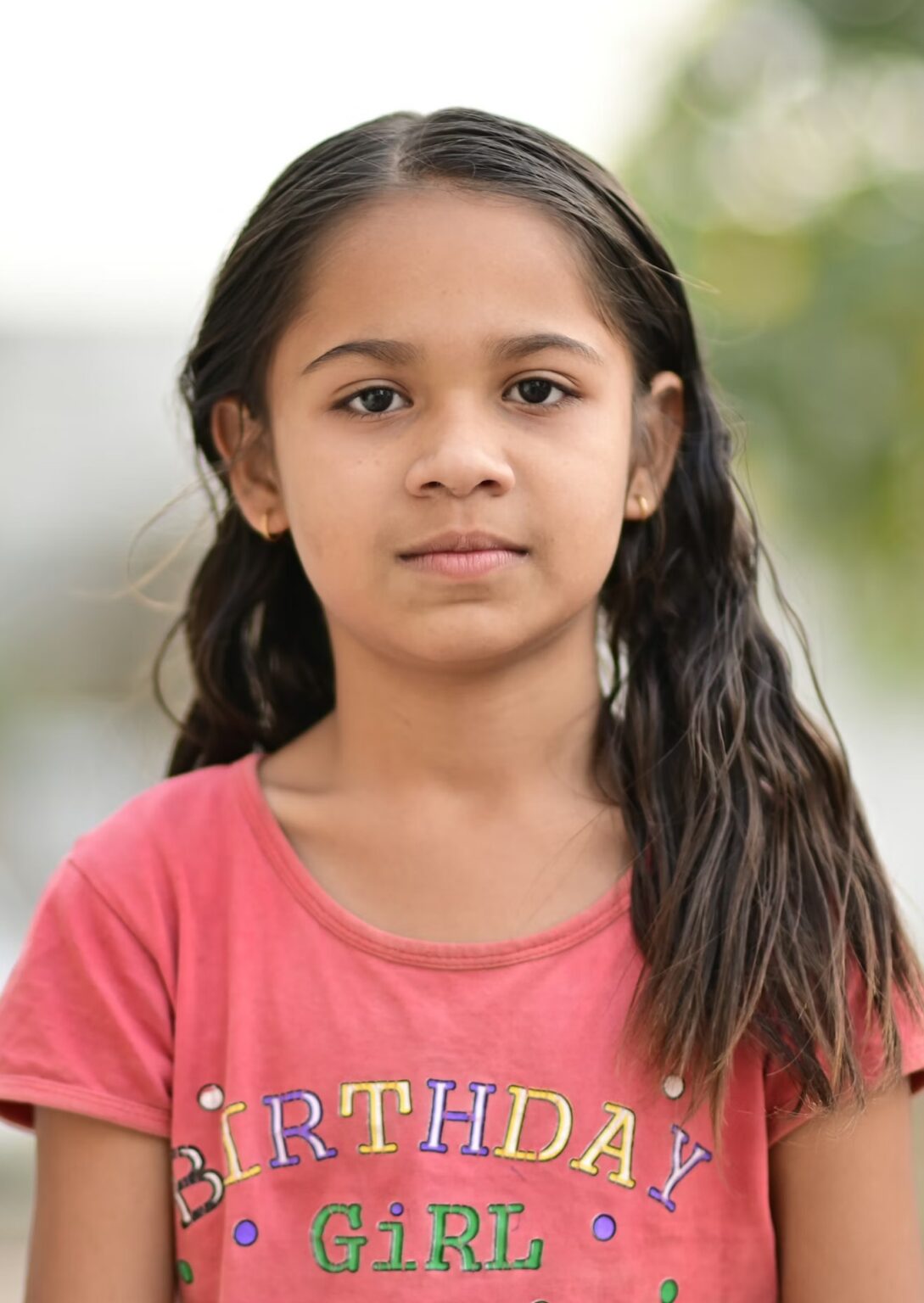
Safiya, aged 10
Has spent her whole life living
in temporary accommodation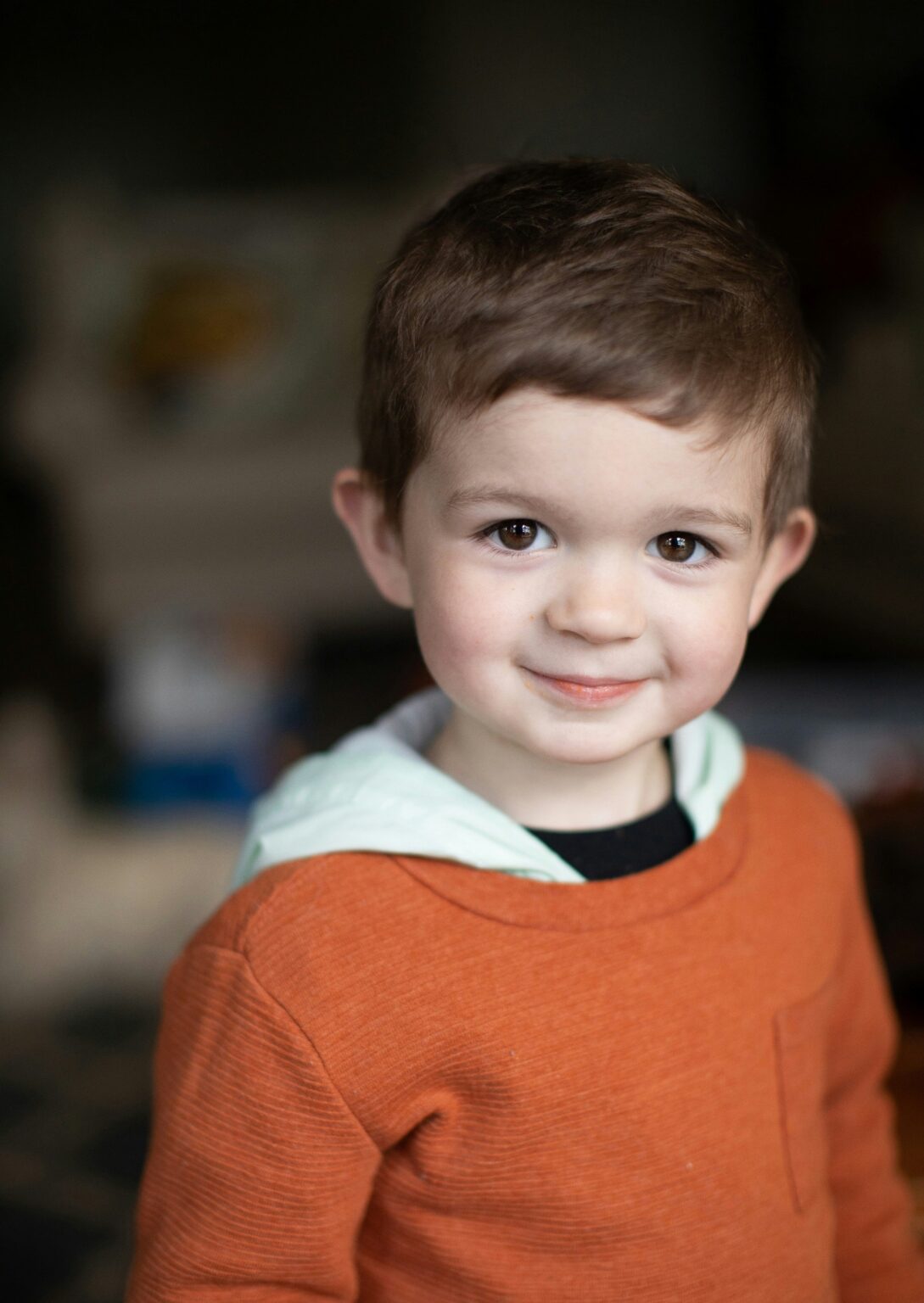
Tyler, aged 2
Developed bronchitis from the black
mould in his accommodation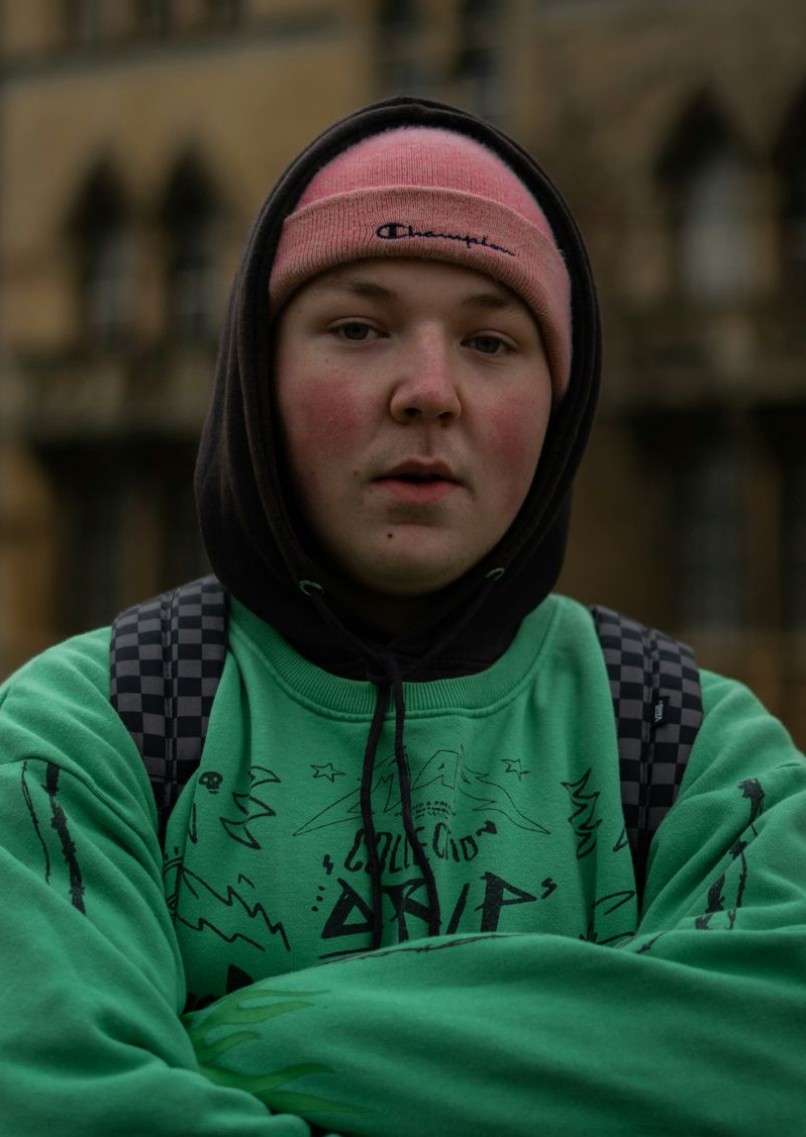
Tom, aged 16
Moved to 5 different hotels during first 5 weeks of his GCSEs
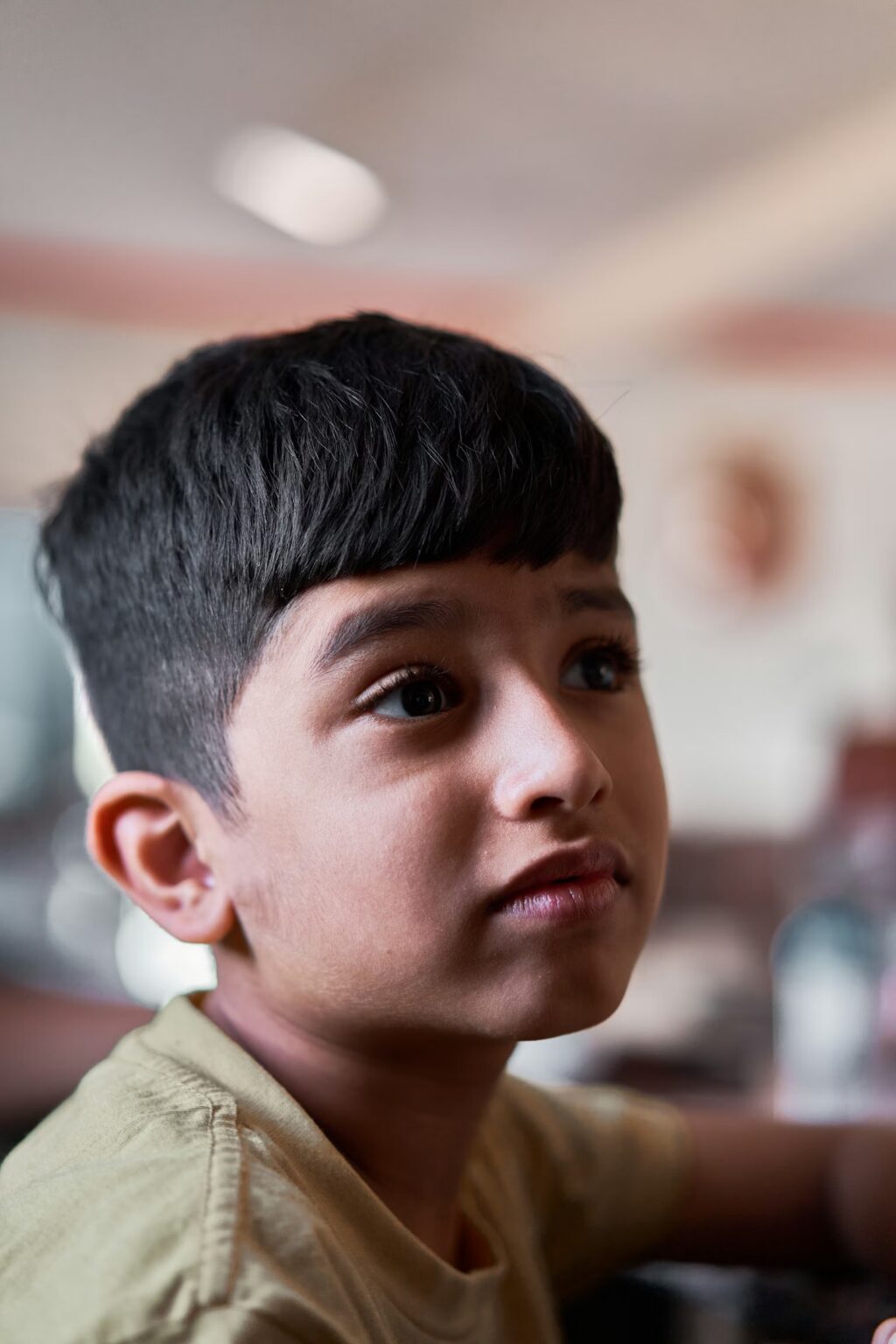
Haseeb, aged 11
Has to defecate in plastic bags as his toilet remains unfixed